Tag: how to use free ai tools

  • 720p vs 1080p: Which AI Tool Upscales Blurry Video Best? (2026)

    720p vs 1080p: Which AI Tool Upscales Blurry Video Best? (2026)

    Disclosure: This article contains affiliate links. If you purchase through our links, we may earn a commission at no extra cost to you. We only recommend tools we’ve evaluated and trust.
    Quick Verdict: Transforming your blurry 720p video into a crisp 1080p resolution has become remarkably accessible in 2026, thanks to free AI-powered tools like Topaz Video AI Free Edition, Runway ML, and Pixop Basic. In this guide, we walk you through the process of enhancing your low-resolution videos for professional or personal use, all without spending a single dollar.

    ⏱ 11 min read

    Key Takeaways:

    • AI-powered upscaling tools can enhance the resolution of 720p videos to 1080p with notably improved clarity.
    • Most tools rely on cloud processing, so having a strong, reliable internet connection is vital.
    • Topaz Free is known for its simplicity, while Runway ML offers expanded customization options.
    • The quality of your upscaled video will largely depend on the original source material.

    What You’ll Need to Get Started

    Before starting, ensure you have these essential items prepared to achieve the best results using free AI video upscaling tools:

    1. Stable Internet Connection: Many free AI tools process videos in the cloud, requiring dependable upload and download speeds for smooth workflows. 2. Computer or Laptop: While the processing is often cloud-based, you will need a device with adequate storage for uploading, downloading, and previewing files. 3. A 720p Video File: Videos captured using smartphones, webcams, or older cameras can be enhanced, though high-quality original footage yields the best results. 4. Supported AI Tools: – Topaz Video AI Free Edition – Runway ML Free Plan – Pixop Basic Tier 5. Basic File Format Knowledge: Most AI upscaling tools primarily support formats like MP4, MOV, and AVI. Verify your video file aligns with these common standards.

    Key fact (as of April 2026): Free versions of tools like Runway ML and Pixop allow users to process up to 15 minutes of HD video each month.

    Quick Overview: What We’ll Accomplish

    This guide outlines how to upgrade your blurry 720p videos into sharper, professional-looking 1080p content:

    • Step 1: Identify and select the AI tool best suited to your needs—ease-of-use, speed, or advanced customizations.
    • Step 2: Upload your 720p video to the selected platform for processing.
    • Step 3: Configure the upscaling settings, including features such as resolution, noise reduction, and sharpness adjustments.
    • Step 4: Allow the AI tool to analyze and upscale your video to 1080p resolution.
    • Step 5: Preview the completed video alongside the original to ensure quality meets expectations.
    • Step 6: Download and save the upscaled video in your preferred file format.

    By following these steps, you’ll transform your video into a polished 1080p version—ideal for social media uploads, promotional content, or repurposing cherished memories.

    Key fact (as of April 2026): Processing a 5-minute 720p clip into 1080p resolution typically takes between 8 to 13 minutes, depending on the platform used.

    Step-by-Step Instructions for Upscaling Videos

    Step 1: Choose the Right AI Tool

    • For simplicity, Topaz Video AI Free Edition is a great choice.
    • For greater control over settings like noise reduction and sharpening, consider Runway ML.
    • If you’re working with larger, more complex files, Pixop provides a reliable alternative but may take longer to process.

    Step 2: Upload Your 720p Video

    Log into the platform of your chosen tool and upload your video file. Ensure the file type is supported (MP4 is widely compatible).

    Step 3: Adjust Upscaling Settings

    Configure the tool for your desired resolution, selecting 1080p as the target. Experiment with additional enhancements like noise reduction and detail restoration if available.

    Step 4: Let AI Process the Video

    Begin the upscaling task. Allow the tool to perform its analysis and enhancements—this may take a few minutes based on factors like the video length and cloud performance.

    Step 5: Preview Results

    Before finalizing, use the preview option offered by most tools. Check for anomalies such as uneven sharpening, artifacts, or glitches.

    Step 6: Download the Enhanced Video

    After reviewing and confirming the improved quality, download your final 1080p video, saving it in a format like MP4 for broader compatibility.
    Key fact (as of April 2026): Free AI upscaling tools may restrict processing duration to under 15 minutes per video, depending on the platform.

    Common Mistakes to Avoid During Video Upscaling

    1. Uploading Extremely Poor-Quality Sources: Upscaling cannot magically fix heavily pixelated or distorted videos. 2. Ignoring File Format Requirements: Video files should be in standard formats like MP4, MOV, or AVI for optimal compatibility. 3. Overusing Enhancements: Excessive sharpening or detail boosting may create undesirable, unnatural visuals. 4. Skipping the Preview: It’s important to catch potential playback or quality issues during review before downloading. 5. Underestimating Network Speed: Slow internet connections can significantly delay uploads, cloud processing, and downloads.

    Key fact (as of April 2026): Free-tier processing on tools such as Pixop may struggle with uncompressed video files exceeding 5GB in size.

    Pro Tips & Shortcuts for Faster Results

    1. Process Multiple Videos at Once: Platforms supporting batch processing can dramatically save time for users dealing with several files. 2. Leverage Presets: Tools with preconfigured settings for specific resolutions (like 720p to 1080p) simplify the enhancement process. 3. Opt for Cloud Processing: For efficiency, cloud-based solutions like Runway ML often outperform desktop alternatives. 4. Compare Different Tools: Each tool has unique algorithms—what works for Runway ML might not deliver identical results on Topaz Free. 5. Pre-Upscale Refinements: Use basic noise correction or editing tools before upscaling for improved results.

    Key fact (as of April 2026): Batch processing can reduce overall processing time by up to 50%, which is especially useful for content creators managing multiple videos.

    Troubleshooting: Fixing Common Problems

    • Processing Is Too Slow: Verify your internet connection or reduce the target resolution temporarily (e.g., upscale to 900p first).
    • Image Appears Oversharpened: Adjust the sharpening or detail enhancement settings.
    • The Tool Crashes Midway: Free up system memory or close unnecessary applications to improve performance.
    • Output File Won’t Play: Use a video converter like FFMPEG to reformat the downloaded file.
    Key fact (as of April 2026): Tools like FFMPEG remain popular for fixing compatibility issues in processed video files.

    Real-World Examples of AI Video Upscaling Success

    1. Marketers: Campaign footage upgraded for sharper web playback and greater audience engagement. 2. YouTubers: Creators restoring old 720p videos to polished 1080p for monetized content libraries. 3. Video Restoration Specialists: Teams preparing historical footage or music videos for modern HD reissues. 4. Educators: Training materials reprocessed for better clarity in online and corporate presentations.

    Key fact (as of April 2026): Marketing professionals report engagement rates increasing by up to 20% with enhanced HD ad footage.

    FAQ: Your Top Questions Answered

    1. Is free AI upscaling from 720p to 1080p truly effective?

    Yes, tools like Topaz Free and Runway ML Free Plan excel at improving clarity, though results depend on source quality.

    2. Which free AI tools are recommended for upscaling videos in 2026?

    Topaz Video AI Free Edition, Runway ML, and Pixop remain the top choices for reliability and performance.

    3. How long does video upscaling take?

    The process generally takes 1.5-3 minutes per minute of footage, though times vary between platforms.

    4. What video formats are supported?

    MP4, MOV, and AVI are among the most commonly supported formats for AI tools.

    5. Can upscaled videos match the quality of native 1080p files?

    Not exactly, as retained artifacts or distortions can limit quality. However, upscaling significantly enhances most videos.

    6. What is the maximum resolution AI tools can handle for free processing?

    Free tiers typically support upscaling up to 1080p, with premium options extending to 4K or higher.
  • 7 Free AI Tools for Daily Task Automation That Actually Work (2026)

    7 Free AI Tools for Daily Task Automation That Actually Work (2026)

    Disclosure: This article contains affiliate links. If you purchase through our links, we may earn a commission at no extra cost to you. We only recommend tools we’ve evaluated and trust.
    Quick Verdict: Save time and effort by automating repetitive tasks using free AI tools like Zapier, ChatGPT, and Canva. While their free plans have certain limitations, they are ideal for straightforward workflows that can be set up in minutes—perfect for solo entrepreneurs and small businesses.

    ⏱ 9 min read

    Key Takeaways:
    • Free AI tools can help you streamline tasks such as auto-replying to emails, scheduling social media posts, and creating designs.
    • Most of these tools are user-friendly and don’t require advanced technical knowledge.
    • The free versions of widely-used platforms like Zapier or ChatGPT work well enough for basic applications.
    • Testing the setup thoroughly is crucial to avoiding errors during implementation.

    How to Use Free AI Tools for Task Automation in 5 Minutes

    The thought of automation might feel intimidating, but with modern AI tools available without cost, anyone can eliminate common repetitive tasks. No coding is necessary, and in just a few minutes, you can establish workflows that save several hours a week.

    For instance, if you’re constantly responding to similar queries in emails, tools like ChatGPT or Zapier allow you to automate those messages. With clear steps, you’ll have a system running hassle-free in no time.

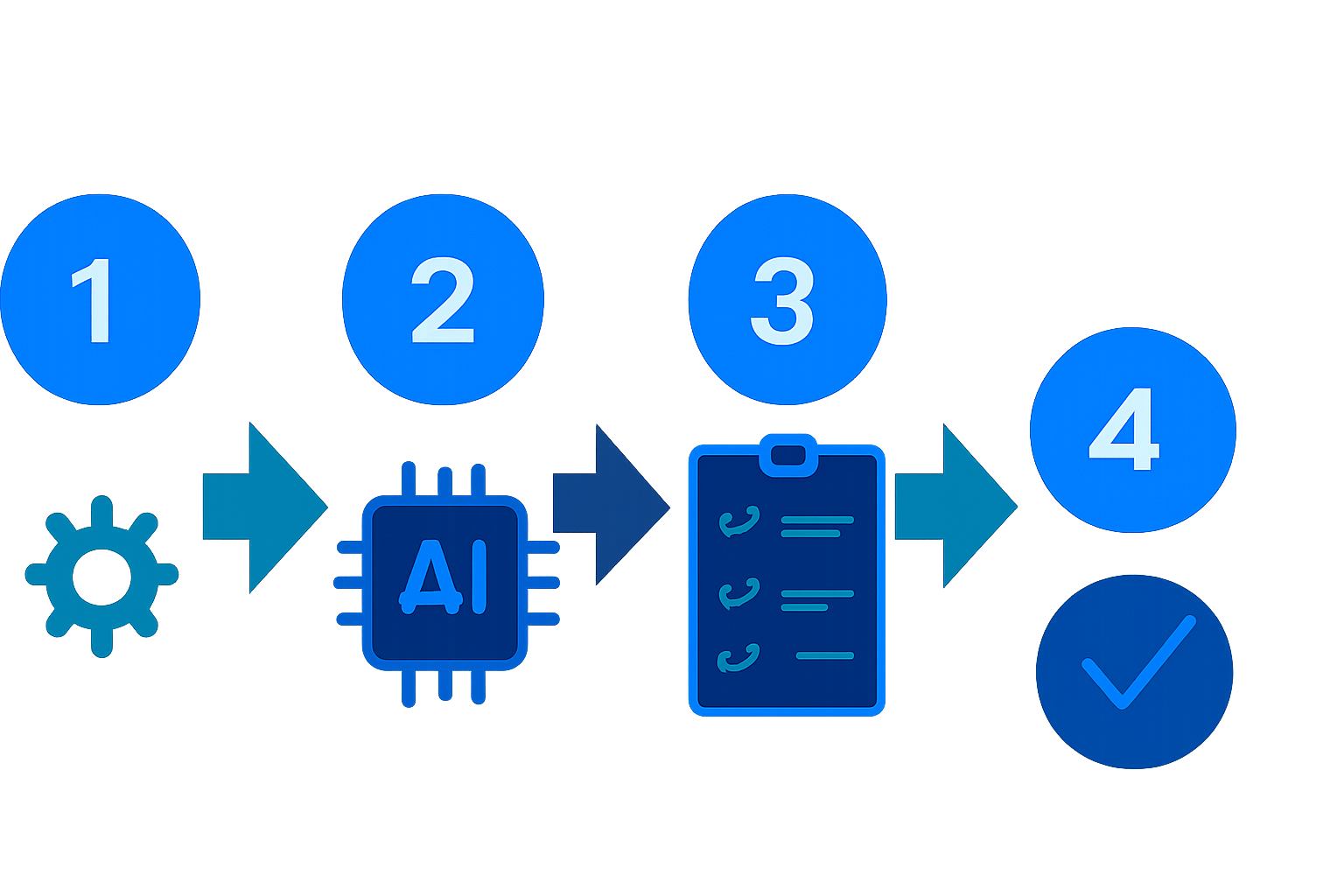
    1. Pinpoint your routine task: Identify one repetitive action (e.g., replying to customer emails or uploading daily posts). 2. Select an AI tool: For communication tasks, try ChatGPT; for connecting multiple apps, start with Zapier. 3. Sign up and log in: Free registrations are quick, and most tools provide immediate access. 4. Upload your content: Prepare templates, phrases, or any data required for automation (e.g., email drafts or design elements). 5. Set the conditions for automation: Define trigger events to automate processes (e.g., “Emails containing ‘help request’ will receive a pre-written reply”). 6. Test your workflow: Run a preliminary test to ensure all components are working as expected before deploying it fully.

    Key fact (as of April 2026): An estimated 70% of routine tasks in small businesses can be automated using free AI tool plans, according to recent studies.

    What You’ll Need

    Before jumping into automation, make sure you have the essentials:

    1. Stable Internet connection: This is non-negotiable since most of these tools operate online. 2. Free AI tools: Examples include Zapier Free Plan, ChatGPT, and Canva Free, which provide sufficient features for basic automation. 3. A list of repetitive tasks: Identify routine activities that consume time regularly, such as replying to common emails or uploading posts. 4. A suitable device: A desktop, laptop, or even a smartphone is enough to get started. 5. Willingness to experiment: Be prepared to tweak settings, as results might require adjustments to achieve accuracy.

    Example Use Case: Imagine you’re a solopreneur often replying to questions about pricing—you can set up ChatGPT to generate pre-filled responses and even personalize the tone.

    Key fact (as of April 2026): Canva Free provides access to more than 250,000 templates, making it invaluable for creating fast, polished designs at no cost.

    Quick Overview: What You’ll Achieve

    Here’s what these tools enable you to accomplish:

    • Streamline repetitive tasks: Activities like scheduling posts, crafting email responses, or applying graphic designs become simplified.
    • Learn basic automation setup: Even with no prior experience, you’ll configure workflows quickly and efficiently.
    • Maximize productivity: Free yourself from time-consuming tasks and gain more opportunity for creative or strategic work.
    • Build confidence with AI: Starting with simple automations prepares you for exploring more advanced capabilities over time.

    Practical Example: Suppose a small business owner needs to resize multiple images for an ad campaign. Canva’s Magic Resize tool can handle this in minutes, avoiding hours of tedious manual resizing.

    Key fact (as of April 2026): Studies show a 30% increase in productivity for small businesses that incorporate automation into their operations.

    Step-by-Step Instructions

    Here’s how you can automate your first task in just six steps:

    1. Identify a repetitive task

    Choose one activity that consumes a significant amount of your daily schedule, such as sending follow-up emails or posting on social media.

    Example: An e-commerce store owner could automate status updates sent to customers to save hours weekly.

    Pro Tip: Start with tasks that are frequent and straightforward. By tackling these first, you’ll see immediate benefits from automation.

    2. Choose an AI tool suitable for the job

    Find and select the right tool for your specific task. Zapier can connect apps, ChatGPT can auto-draft emails, and Canva enables quick design automation.

    Tool Comparisons:

    • Zapier Free Plan: Best for connecting apps and automating multi-step workflows.
    • ChatGPT Free: Excellent for generating or editing text, like drafting email responses.
    • Canva Free: Useful for automating visual tasks like resizing or creating social media graphics.

    3. Register and familiarize yourself with the interface

    Sign up for a free account on your preferred platform. Most services, like Zapier and ChatGPT, walk you through the process with onboarding tutorials.

    Example:

    • Visit Zapier and sign up.
    • Set up your first connection (called a “Zap”), such as linking Gmail to Google Sheets for task tracking.

    4. Define your task and configure automation

    Decide what the tool should do. For example, define a Zapier trigger to draft auto-replies or upload an email template to ChatGPT for generating responses.

    Canva Example: If creating an Instagram post, choose from pre-built templates. With the Brand Kit tool, colors and logos can be added smooth—even in the free version.

    5. Run a test for quality control

    Test your setup thoroughly using sample data. This step reveals any potential issues before the workflow goes live.

    Pro Tip: Use placeholder data during testing. This makes spotting any automation errors easier without risking live data inputs.

    Key fact (as of April 2026): Canva supports simultaneous resizing across 10 popular dimensions, saving hours on graphic editing.

    6. Monitor and adjust as needed

    Once your workflow is live, check its outputs frequently. Most tools let you modify settings mid-automation to improve precision.

    Advanced Techniques to Enhance Your Automation

    Once you’ve mastered the basics, here’s how you can improve your system:

    Conditional Automation

    In Zapier, you can set conditional rules. For example:
    • Emails marked as “urgent” can trigger a Slack notification.
    • Inquiries containing specific keywords are automatically organized into folders.

    Refine Prompt Usage

    With ChatGPT, refine input prompts by specifying tone, length, or style—for instance, “Respond with a professional tone, no longer than three sentences.”

    Multi-Platform Workflows

    Combine tools to create end-to-end processes. For example:
    • Use Zapier to pull data from emails and feed that data into a design created on Canva.

    Common Mistakes to Avoid

    • Skipping Tests: Ensure that you test thoroughly. Incorrect configurations may lead to unintended outputs, like replying to the wrong emails.
    • Ignoring Free Plan Restrictions: Each tool has usage limits. For example, Zapier free accounts allow only a limited number of monthly tasks. Check these caps to avoid disruptions.

    Real-Life Use Cases

    Freelancers

    Streamline email responses with ChatGPT templates, connected via Zapier for outreach campaigns.

    Social Media Managers

    Batch-create images in Canva Free, then schedule posts automatically with integration tools like Buffer or Hootsuite.
    Key fact (as of April 2026): Canva automation tools reduce graphic editing time by as much as six hours per campaign for professional designers.

    Alternatives to Try

    Not every tool fits your workflow. Consider these alternatives:

    | Feature | Zapier Free | Automate.io Free | Make.com Free | |—————————— |—————– |———————- |—————————-| | App Integrations | ✅ 5 apps | ✅ 250 integrations | ✅ Extensive mapping tools | | Monthly Task Limit | ✅ 100 tasks | ✅ 300 tasks | ✅ Configurable plans | | Best Use Case | Simple triggers | Workflow testing | Advanced, technical users |

    When to Choose Alternatives?

    • Use Automate.io Free for increased task limits without upgrading.
    • Use Make.com Free if you need advanced or visually intuitive workflow mapping.

    FAQ

    Can automation really save me time in 5 minutes?

    Yes, for straightforward tasks like drafting response emails or resizing images. Advanced setups may take more time but often save hours in the long run.

    Are free automation tools scalable?

    Free plans are great for testing workflows before deciding to invest in premium upgrades if more capacity is required.