How to Generate Consistent AI Characters in 2026
Quick Verdict: As of April 2026, generating consistent AI characters is an art powered by smarter algorithms, user-friendly tools, and sharp customization options. Whether you’re a creator or a business, success lies in combining the right tools with a strong understanding of AI’s personality dynamics.
⏱ 13 min read
—Introduction to Consistent AI Characters in 2026
In 2026, AI-generated characters are everywhere. Virtual assistants, NPCs in games, branded chatbots, and even digital influencers—all require one crucial quality to be effective: consistency. This means sticking to a defined personality, tone, and behavior across all interactions, building trust and alignment with user expectations.
Why does this matter? For businesses, it’s about brand identity—consistency makes AI touchpoints recognizable and reliable. For creators, it’s about immersion. You can’t have your invented AI knight suddenly cracking 21st-century jokes. Poorly aligned AI characters not only disrupt user experience but can actively undermine credibility.
Fortunately, the AI tools available today have advanced significantly. Platforms now come equipped with advanced contextual learning and dynamic behavior modeling, making it easier to create AI identities that feel cohesive, human-like, and perfectly customized. The challenge is less about if it can be done and more about how well you can define your character at the outset.
This guide breaks down how to create consistent AI characters, the features of this year’s best tools, and actionable steps to get started. Here’s how to get it right.
—
What Makes AI Characters Consistent?
Consistency in AI characters hinges on how well the defined personality remains intact through different contexts, conversations, and scenarios. In 2026, several key parameters define this:
- Tone: Tone acts as the emotional “skin” of the character. Whether formal or casual, serious or whimsical, tone influences how your character speaks and is a decisive factor in believability.
- Style: This refers to quirks and linguistic patterns. Do they use short sentences? Do they prefer slang? Fine-tuning style adds layers of personality.
- Personality: This is your character’s “core.” Are they empathetic, assertive, or curious? Machine learning is impressive at simulating complex personalities, but you’ll still need to define and guide it.
- Behavior: Actions cement the perception of your character’s consistency. For instance, should your personal finance bot send reminders at 3 PM sharp every Wednesday? Behavioral patterns build trust.
Technology underpins all of this. In 2026, adaptive algorithms are central to ensuring uniformity. These advanced models not only learn from the data they’re trained on but also adapt based on contextual cues. For instance, a parent-like AI assistant may use positive reinforcement when offering study tips but switch to a serious, empathetic tone in crisis scenarios.
A major leap this year comes from memory persistence updates in AI. Unlike earlier models with limited retention of prior interactions, the latest generation of AI tools now employs expanded short- and long-term memory capabilities. This enables characters to “remember” past queries, their own backstory, or evolving dynamics with users over time—without losing consistency.
However, perfection isn’t automatic. Consistency still requires diligent training on your part, particularly during setup and context customization. Errors may still occur if left unchecked.
—
Top Tools for Generating AI Characters in 2026
The marketplace for AI character tools is booming, but not all are created equal. Here are the highest-rated platforms of 2026:
| Tool Name (profile link) | Best For | Strengths | Weaknesses | |———————————-|————-|—————-|—————–| | OpenAI Character Suite | Fiction, NPCs, and immersive worlds | Granular personality controls, rich contextual memory | Premium price tier | | Meta Persona AI Builder | Business branding & customer bots | Easy integration with digital ecosystems | Limited in-depth storytelling focus | | Anthropic Claude Studio | Ethical AI design with clear boundaries | Reliable tone consistency, safe outputs | Fewer style customizations |
These tools bring significant upgrades in consistency-specific features compared to 2025 versions. For example, OpenAI’s Character Suite allows for multi-layered character embeddings, enabling your AI to switch between behaviors while maintaining a logical link. This is perfect for gaming creators or writers managing complex casts. However, it comes at a noticeably higher subscription expense.
On the branding front, Meta Persona AI Builder has improved with API connections for e-commerce bots. Their advanced profile sync integrates with CRM platforms, allowing your customer-facing AI to feel personal.
Meanwhile, Anthropic Claude Studio, known for its AI safety benchmarks, is an excellent choice if you prioritize bias-free character design. However, its narrower stylistic flexibility may leave creators wanting more variety.
Each tool excels in different spaces, so your choice should depend on whether your focus is entertainment, customer engagement, or scalable branding.
—
Step-by-Step Guide to Creating Consistent AI Characters
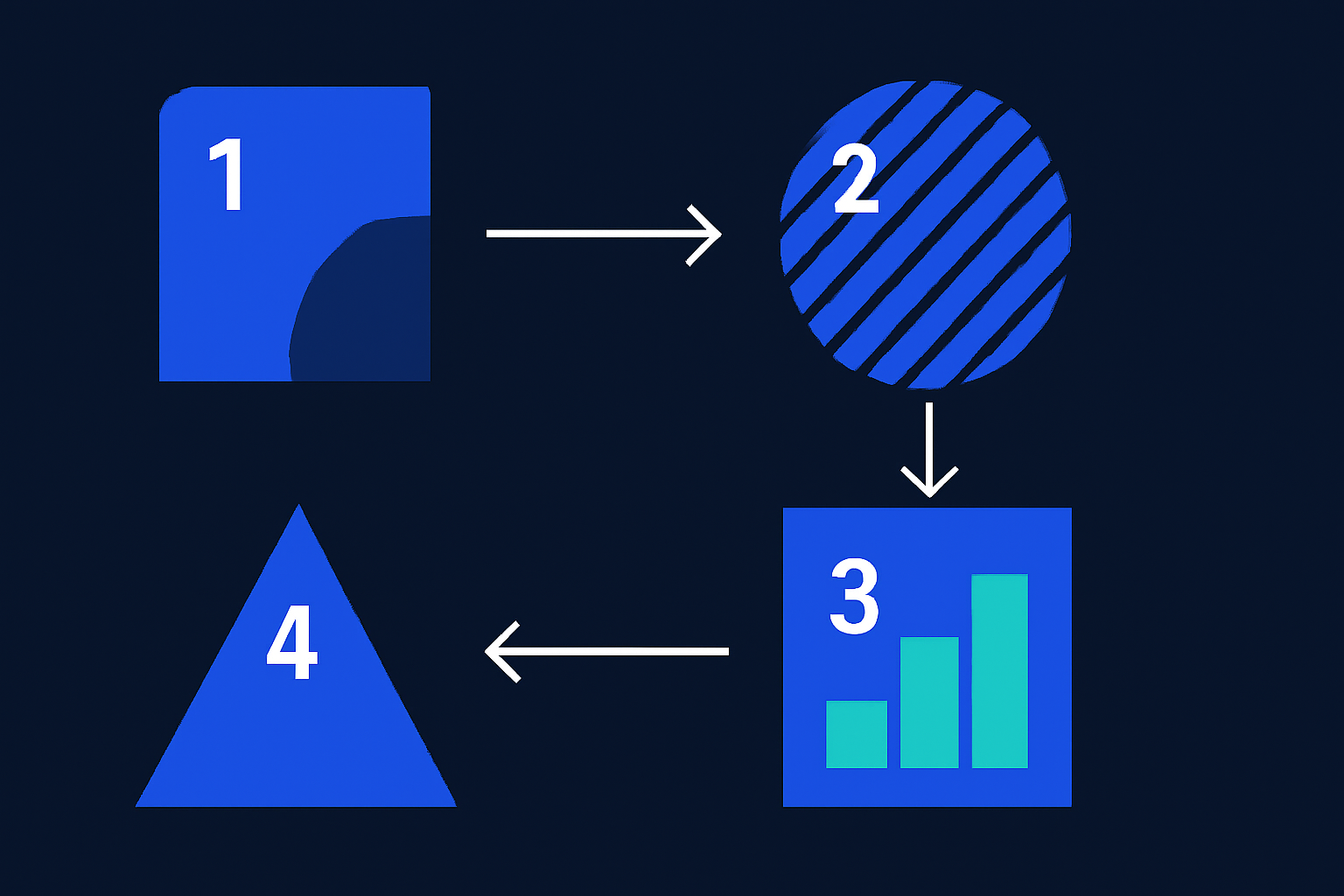
Creating consistently compelling AI characters starts by defining the “who” and “why” before diving into mechanics. Here’s a step-by-step approach:
1. Define Your Character’s Personality and Purpose
Write it down. Why does your character exist, and how should they behave? Whether it’s a quirky assistant for a retail website or a sage mentor in an RPG, clarity about their core traits, objectives, and context is essential. Tools like personality profiling templates (commonly provided in OpenAI Suite) can streamline this process.2. Train the AI Using Branded Narratives
This is where consistency begins. Load your tool with structured narratives—examples of tone, language, phrases, and scenarios it needs to replicate. If you’re using Meta Persona AI Builder, set up narrative flows that reflect your brand voice or customer journey priorities.3. Iterative Testing and Tweaking
Run simulations and interact with your AI continually. Consistency issues often arise when you skip this phase. Use tool evaluation dashboards to spot conversation missteps and refine training data. This testing cycle is easiest on platforms such as Anthropic Claude Studio, which flag ethical or contextual pitfalls upfront.—
Best Practices for Maintaining Consistency Over Time
Maintaining consistency in AI character behavior requires diligence and a proactive approach. Here are some essential practices to ensure your AI characters remain engaging and on-brand:
- Regular Training Updates with New Data and Feedback
Additionally, augment your core datasets with user-generated feedback to capture how real audiences interact with the character. Are customers asking questions outside advertised expertise? Are specific word choices boosting engagement? Incorporate these insights into regular updates as they emerge.
- Monitoring AI Performance in Real-World Interactions
For optimal results, monitor both macro (broad sentiment patterns) and micro (individual exchanges) metrics. Combine this with periodic spot-checks by human reviewers to validate AI performance against subjective measures like “brand friendliness” or emotional intelligence.
- Integrating User Feedback Loops to Improve Personalization
Over time, robust feedback mechanisms help maintain personalization at scale, ensuring that individual conversations feel less templated and more organic without sacrificing consistency.
Consistency isn’t static—it demands active management, regular audits, and a willingness to adjust strategies in response to data.
—
Advanced Customization Features in 2026 AI Tools
AI tools in 2026 offer unprecedented opportunities for fine-tuning AI characters, making them versatile enough for diverse industries and audiences. Below are standout features driving the next wave of customization efforts:
- Exploring Multimodal AI Capabilities for Rich Character Development
This multimodal feature is invaluable for brands looking to personify their AI beyond text. A travel concierge AI might use warm, inviting colors in video backgrounds and an upbeat tone in voice prompts to emulate a human travel guru.
- Adjusting Fine-Grain Details: Voice, Vocabulary, Emotions, and More
This level of customization is particularly useful for sectors requiring emotional nuance, such as healthcare, education, or luxury branding. Create meaningful emotional resonance with audiences by tailoring these microscopic conversational signals.
- Scaling and Maintaining Consistency Across Multiple Platforms
These advancements strengthen brand loyalty since customers receive a unified tone, whether interacting on your website or through a wearable device assistant. Use synchronization logs and API libraries to audit platform performance for consistency gaps.
Customization as an industry focus extends beyond creating unique characters—it allows brands to maintain full control at scale without sacrificing creativity.
—
Case Studies: Successful AI Character Implementations
Real-world examples illustrate how businesses and creators effectively leverage AI characters:
- How Small Businesses Use AI Characters for Branding Success
The result? A 35% boost in app interaction rates and a significant reduction in customer support burden. Customers also appreciated the humor embedded in the AI responses, strengthening brand attachment.
- Examples From Creators and Marketers Leveraging Consistency
Consistency was achieved by feeding precise narrative role designs into the system. Fans claim the AI’s personality feels as fleshed-out as any animated NPC—demonstrating that well-generated characters amplify engagement.
- Lessons Learned From AI Character Deployment Strategies in 2026
These case studies demonstrate how thoughtful strategizing translates AI personalities into measurable success stories.
—
Conclusion and Future Trends in AI Characters
The realm of AI characters is accelerating toward exciting innovations:
- As your strategies develop, remember that the path to consistency involves layering structured narratives with iterative refinements. Custom AI tools across platforms are rapidly adapting to evolving needs.
- Expect customization trends for 2027 to converge around emotion simulation, conversational multilingual fluency, and decentralized AI personalization apps for niche industries.
- Thus, experiment boldly. Fine-tuning AI can feel complex but pays off in loyalty and ROI. Adopt the tools that integrate seamlessly into your workflows, and don’t hesitate to innovate.
AI characters are poised to lead the way into deeper, more impactful human-AI relationships—and you’ll want to be at the forefront.
—
Frequently Asked Questions
What tools are best for consistent AI character generation in 2026?
The right tool depends on your needs. For general-purpose customization, Cohere Customization Layer excels in tone and vocabulary tailoring. For brands prioritizing ethical or multi-dimensional designs, Anthropic Claude Studio leads the market with tools that flag ethical issues while tuned for naturalistic outputs.
Creative businesses or entertainment sectors might prefer platforms like Runway Studio, thanks to its rich multimedia support. Evaluate any platform for long-term scalability to ensure it matches both immediate goals and five-year initiatives.
How do I ensure my AI character stays on-brand over time?
Maintaining consistency requires scheduled updates, consistent data feedback pipelines, and frequent monitoring. Tools offering integrated dashboards, like Meta Persona AI Builder, simplify this by surfacing tone deviations and providing historical diagnostic snapshots of AI interactions.
Supplement these technical measures with human expertise. A dedicated QA team should audit scripted outputs quarterly to verify adherence to brand-specific nuances or cultural sensitivities embedded in training.
What are the main challenges in creating AI characters?
Primary challenges involve balancing flexibility against rigid structure. Over-presetting AI behaviors may make the character robotic, while inadequate guidance risks generating inconsistent responses. Evaluation fatigue becomes an additional problem for teams managing larger AI libraries.
Leverage customizable framework refining workflows and start with manageable policies before scaling complexity.
Can AI characters learn and improve after initial training?
Yes! Current tools offer robust retraining APIs that allow your character to adapt after launch. Feedback loops powered in platforms like Google VertexAI XL, enable constant post-production improvements, ensuring evolving lifelike interaction capabilities grow with changing user demands.
Are there cost-effective solutions for small businesses?
Small businesses can benefit from free or budget-friendly tiers offered by platforms like OpenAI, which support scalable deployments for growing enterprises. While higher-end tools deliver complex customization, small organizations can thrive by focusing on simpler narrative designs crowdsourced during beta testing.
—
Bottom Line
Successful AI characters are built on consistent narratives underpinned by regular refinements. 2026 tools offer unprecedented clarity to manage tone, personality, and creative control—whether you’re running a multi-platform enterprise or refreshing your small business branding. The technology isn’t just evolving; it’s empowering. Dive in and lead the conversation.
Leave a Reply